Pain After Knee Replacement: Causes & When to Contact Your Surgeon
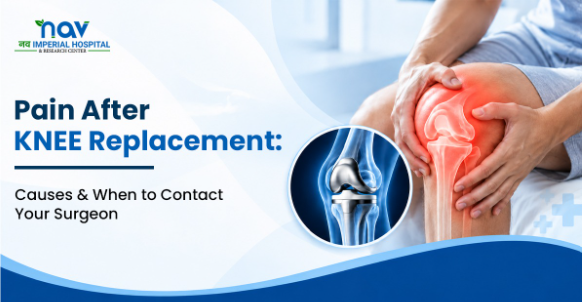
Usually, after a knee replacement surgery, you expect to feel better. However, you might experience soreness in the knee that is still noticeable when you walk, or you may wake up due to knee replacement pain at night. It is important to note that some amount of discomfort is a part of the healing process after knee replacement surgery because your body is actively repairing tissues connected with your knee bones and muscles. If the pain becomes worse or persistently appears when you are at rest, it’s normal to wonder if the treatment is progressing as it should.
The timing, severity, location and pattern of pain indicate important cues about the pain after knee replacement. To help you identify pain that needs medical attention, this guide explains common causes of knee pain after surgery and which bodily changes should be reported to the doctor. It also presents some ways to reduce pain during knee replacement recovery.
Is Pain Normal After Knee Replacement?
Yes, you may feel some knee replacement pain during the first few weeks after surgery. If the pain becomes worse or persistent, you should consult a doctor.
Why Does the Knee Hurt After Surgery?
The knee may hurt after surgery because the knee replacement surgery is performed to reshape the bone surface and implant artificial components. To perform this procedure, doctors cut through skin, tissues, muscle and bone, which causes pain in the surrounding tissues and muscles. Pain remains for a few weeks after surgery. Once the recovery period is over, most patients feel more active and return to daily activities.
How Long Does Pain Usually Last?
Severe pain after knee replacement surgery often lasts between 1 and 2 weeks for most patients. The pain reduces a bit from the 3rd week and is significantly manageable by 6 to 12 weeks. The actual period may differ for each individual’s bodily response and treatment type.
Common Causes of Pain After Knee Replacement
The most common causes of pain after knee replacement surgery are muscle weakness, inflammation, overexertion of muscles, scar tissue and physiotherapy-related soreness.
Here is a brief look at each cause of pain after knee replacement surgery:
1. Normal Healing and Inflammation
Knee replacement surgery is done through cutting and making changes to the surrounding tissues of the knee. Post-surgery, it triggers the body’s natural healing response. The response causes inflammation, which increases fluid around the knee and leads to soreness and a feeling of tightness.
2. Muscle Weakness and Stiffness
The muscles around the knee may become weak due to decreased nerve reflexes and surgical damage to tissues. At the same time, post-surgery swelling and loss of mobility may lead to stiffness of the knee. Such conditions as weakened muscles and stiffness are challenging for lower limb mobility and the ability to bend and extend the leg.
3. Overexertion During Recovery
The healing of the knee can become painful if activities such as walking or bending are increased faster than the tolerance of the surrounding tissues. Increased leg activity also increases inflammation and swelling that can make the knee feel more painful.
4. Physiotherapy-Related Soreness
In physiotherapy sessions, the knee has to flex and extend, and these processes may be challenging in the beginning. With regular practice, the muscle and joint will get used to this process. However, at the initial stages, you may have stretching or tightness sensations during the exercise. Knee soreness caused by physiotherapy is usually manageable and decreases within the next few minutes of performing the exercise.
5. Scar Tissue and Reduced Range of Motion
After knee replacement surgery, scar tissue may form. But sometimes there may be a condition in which a large amount of scar tissue is formed around the knee, resulting in stiffness and loss of mobility.
6. Pain From Nearby Muscles or Joints
Pain in the muscles or joints near the knee after the knee replacement surgery may appear because of the body’s adjustment to a new walking pattern. Sometimes, you may experience pain in the hips, lower back, ankle, and foot due to changes in the biomechanics of your entire leg.
Pain Based on Where You Feel It
Pain after knee replacement can be felt around the knee or extend into the thigh, calf and other parts of the leg during recovery. The following are a few specific areas where you may feel temporary pain after the knee replacement surgery:
Pain at the Front of the Knee
You may experience pain on the front side of your knee that has undergone knee replacement surgery because the surgical site and tissues around the kneecap are still healing. Swelling and inflammation can make the area feel sore or tight if you bend the knee or do exercises. Some discomfort in this area is normal during healing in the first few weeks after surgery.
Pain at the Back of the Knee
Discomfort behind the knee can occur as swelling and healing tissues affect the surrounding structures. The back of the knee may also feel tight when you are working to regain full bending and straightening.
Thigh or Muscle Pain
Thigh pain can occur because the muscles of the operated leg become weaker after surgery and then have to gradually adapt as walking and exercise increase. Pain may also radiate into the thigh muscles during the early recovery period. As strength and mobility improve through prescribed rehabilitation, this type of muscular discomfort generally becomes easier to manage.
Calf Pain
Some swelling and discomfort can extend into the calf and ankle after knee replacement. However, new or increasing calf pain should not be ignored, because it can be a sign of a deep vein thrombosis (DVT), which needs urgent medical attention.
Pain at Different Stages of Recovery
Postoperative pain may vary depending on how far along the healing process is, because soreness, swelling, stiffness and muscle pain can occur during different stages of healing.
Pain that is commonly experienced during recovery includes:
Pain in the First Few Days
In the first two or three days, pain is often felt directly around the operated knee. This pain might be accompanied by warmth, swelling, bruising and tenderness. You may also experience soreness or throbbing when you walk or bend your knees. Pain may extend to the thigh, shin, into the calf and even down into your ankle and foot.
Pain During the First Few Weeks
Over the following weeks, the sharp or intense postoperative soreness starts to become more manageable. You may find that as you walk or have physiotherapy, there can be more discomfort as the healing knee is under more use, while the swelling can make the joint feel tight.
Pain 1–3 Months After Knee Replacement
At 1 to 3 months, pain is now more activity-related than immediately after surgery. Many patients describe pain 3 months after knee replacement as an ache after walks, exercise or standing for long periods, while stiffness can be noticeable after sitting or first using the joint. Minor aches can still come up as the strength and mobility continue to improve.
Pain 3–6 Months After Knee Replacement
During this stage, some patients can feel occasional aching, stiffness or discomfort after longer mobility. Pain 6 months after knee replacement may feel like swelling can still linger, which can contribute to a tight or uncomfortable feeling. Most people continue to gain strength and mobility during this period.
Long-Term or New Pain After Knee Replacement
The common ongoing pain after knee replacement surgery is stiffness or instability. New knee replacement complications can be felt as increased swelling, redness, warmth, wound discharge or fever. Consult your doctor if you experience severe pain or pain that does not reduce after a few days.
When Is Pain After Knee Replacement a Warning Sign?
Pain after knee replacement can become a warning sign of urgent need for medical intervention when pain becomes worse, or new pain appears. You should be aware of the signs that are worth consulting your doctor and seeking urgent medical attention.
Contact Your Surgeon If You Have
Here are six signs that indicate when to contact your surgeon after knee replacement:
-
Knee pain is increasing day by day.
-
Increasing redness, warmth, swelling or tenderness around the knee or wound.
-
Fluid or unusual discharge from the surgical wound.
-
Fever or feeling generally unwell along with knee pain.
-
Persistent or worsening stiffness that makes it difficult to move the knee.
-
New or increasing calf or leg pain.
Seek Urgent Medical Attention For
You may need emergency medical care if you experience:
-
Sudden shortness of breath or difficulty breathing.
-
Chest pain.
-
Leg pain or swelling together with breathing difficulty or cardiovascular health symptoms.
What Complications Can Cause Persistent Pain After Knee Replacement?
You may feel persistent pain after knee replacement surgery if there is an infection, loose implants, stiffness, a blood clot or nerve or soft tissue pain. Here is a brief look at each of them:
-
Infection: Pain, swelling, warmth, redness or tenderness in and around the wound site or artificial joint indicates infection.
-
Loose Implants or Wear: There may be loosening of parts of the artificial joint or wearing of the bearing surface of the parts over a period of time.
-
Instability: When your artificial joint is not able to maintain its stability during motion, there may be instability that may lead to pain while standing and walking.
-
Stiffness: You may experience stiffness due to the formation of scar tissue and limited joint movement of your leg. It also leads to difficulty in bending and straightening the leg.
-
Blood Clot: Blood clots in the veins of your leg lead to pain and swelling in your leg or calf muscle.
-
Nerve or Soft Tissue Pain: During surgery, nerves or soft tissues in the knee area may be damaged, at times causing alterations in sensations, numbness, weakness or pain.
How Is Persistent Pain After Knee Replacement Diagnosed?
A feasible way to diagnose persistent pain after knee replacement is to describe the pain you feel to your surgeon. Patients in Rajasthan often find it helpful to consult a trusted knee specialist in Jaipur for this evaluation.
On the basis of symptoms, your doctor may diagnose your knee through the following ways:
-
The surgeon will ask when the pain started, whether it is at night or during the day and how you feel.
-
The surgeon will examine your knee for any changes that indicate inflammation or infection.
-
The surgeon may order blood tests such as ESR and CRP to confirm the presence of infection.
-
The surgeon may recommend an X-ray to assess the position and condition of the knee.
How Can You Reduce Pain During Knee Replacement Recovery?
You can reduce pain after knee replacement surgery by taking your prescribed medicines on schedule. Staying under the care of the best orthopaedic surgeon in Jaipur also reduces the chances of severe postoperative pain.
A few things that help to reduce pain are:
-
Take medicines exactly as your doctor prescribes them.
-
Keep the operated leg elevated when you're resting.
-
Ease into walking and other activities and do not rush.
-
If an exercise causes sharp pain, stop doing it and talk to your doctor before continuing.
Frequently Asked Questions
1. How long does pain last after knee replacement?
The pain after knee replacement surgery can last from 3 to 12 months with a progressive decrease.
2. Why does my knee still hurt months after knee replacement?
A knee replacement surgery is quite a complex medical procedure. There are several incisions made during the operation. The pain can be related to the healing of these damaged tissues.
3. Is it normal to have knee pain at night after replacement?
Yes, it is normal to have mild discomfort in the replaced knee joint at night. But if the pain is severe, contact your doctor.
4. Why does my knee hurt more after physiotherapy?
Your knee hurts more after physiotherapy because of the strain on the tissues and muscles around the knee during the procedure.
5. When should I worry about pain after knee replacement?
If the pain does not go away in a few days or gets worse, you should consult a specialist.
6. Can knee replacement pain come back after years?
Knee replacement pain can come back after years due to mechanical damage or an infection that has appeared much later.
Final Takeaway
Knee replacement surgery is a great way to bring back the ability to walk and perform day-to-day activities independently. However, post-knee replacement surgery may cause temporary pain because of bodily changes and natural healing after the operation. The first few days after the surgery are monitored by doctors and from the 3rd week to 6 months require consistent care for the patient. During months 6 to 12, proper care is suggested. If you experience persistent or new pain, consult your doctor without any delay for prompt treatment.